
Adolescencia
The secondary or adolescent education stage in Montessori philosophy is a space under current development around the world. Dr. Maria Montessori had a broad notion of what sort of educational experiences would work for young people in their adolescent years based on her general scheme of human development, but she did not have an opportunity to set down specific plans or curricula.
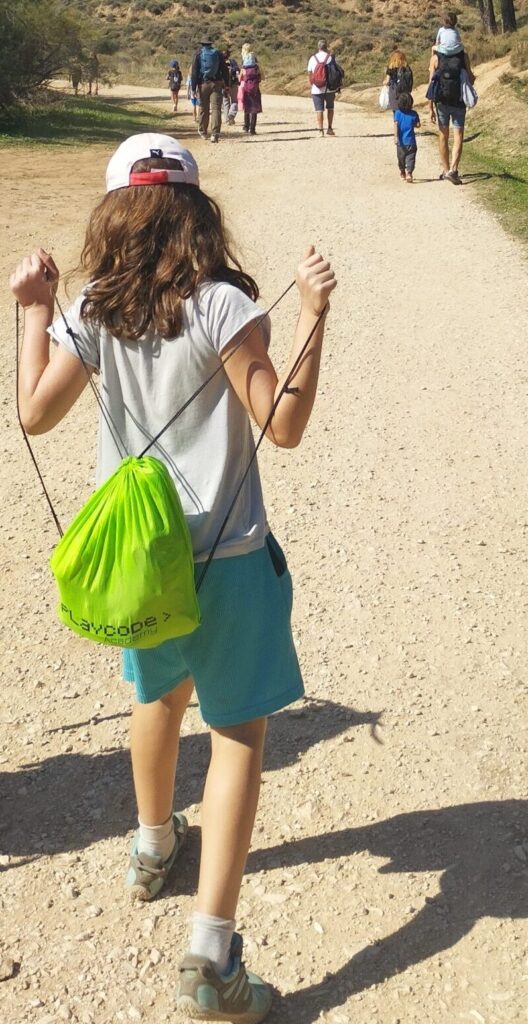
Her biggest insight was that contact with nature would serve as a regulating influence on human development for adolescents, even a ‘natural’ prepared environment in which young people would come to (re)discover civilization newly. She called this educational orientation ‘Erdkinder’ (children of the Earth).
Much later, her son, Mario Montessori, ideated working plans for developing a secondary school program as an outgrowth of the solid, worldwide experience of Primary education and what were the observed needs of adolescents coming out of Primary School– students generally between 11 and 12 years of age– and in what ways their mental, physical, and social needs manifested themselves during this period of significant transformation.
In Montessori philosophy, adolescence is seen as a time of profound transformation, both physically and mentally. Adolescents undergo rapid changes in their bodies, emotions, and social identities, making this period one of heightened sensitivity and self- discovery. The need for independence, exploration, and belonging are paramount during these years. Montessori believed that adolescence is a pivotal stage for developing critical thinking, personal responsibility, and social awareness. The qualities of curiosity, a search for meaning, and the desire for real-world experiences shape the educational experiences that should be offered at this stage.
 English
  Spanish