
About the pedagogy
Give the child a vision of the entire universe… for all things are part of the universe and are connected to one another to form a whole.”
Dra. Maria Montessori.
Montessori is more than a teaching method; it is a social philosophy based on respect for life and a deep consideration of human potential. It is a call to the highest human virtues, such as love, affection, generosity, responsibility for our own actions, forgiveness, compassion, and openness to one another. It guides us to share, rather than accumulate, towards cooperation, rather than competition, and towards peace, rather than violence.
Children's House
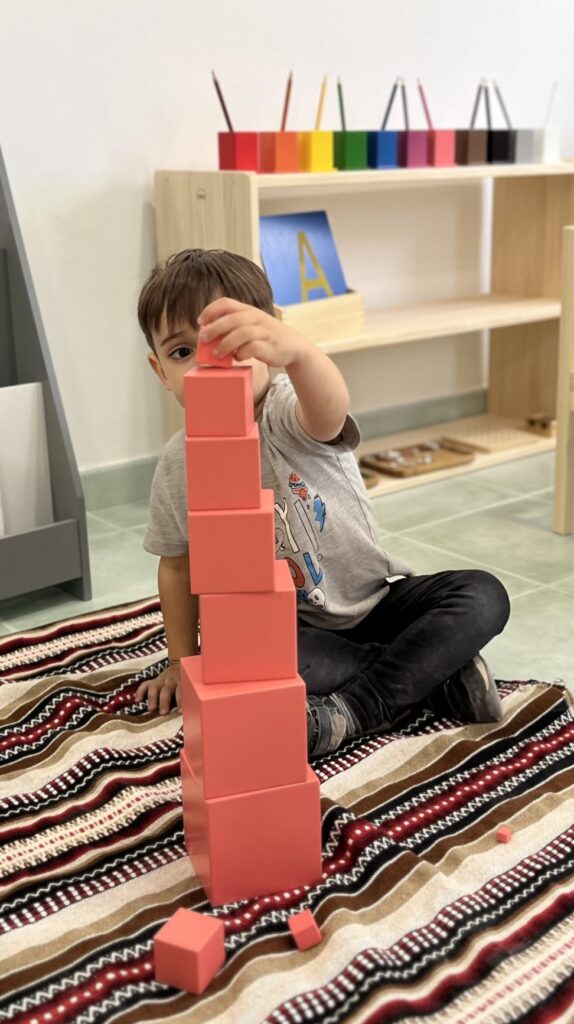
En Complutum Montessori School los niños/as se encuentran en un ambiente cuidadosamente preparado que les brinda la seguridad, libertad y autonomía necesarias para explorar, descubrir y aprender de manera activa, fomentando la colaboración, el respeto mutuo y la responsabilidad social.
Children learn to care for themselves, their environment, and others. They are encouraged to develop social skills, resolve conflicts peacefully, and be active members of a learning community.
In addition, a variety of materials and activities are provided, designed to meet the developmental needs of children in areas such as practical life, sensory, language, and mathematics.
Elementary
Children have the opportunity to engage in practical, creative, and constructive activities that foster exploration, experimentation, and active learning. In this stage, social interaction becomes especially important, so presentations and work are primarily done in small groups, allowing them to learn from one another.
They are provided access to a variety of materials and tools appropriate to their developmental level, and are given the freedom to choose the activities they wish to engage in, which fosters their autonomy and decision-making skills.
Children develop practical skills, acquire knowledge, gain self-confidence, and feel motivated and engaged in their own learning.
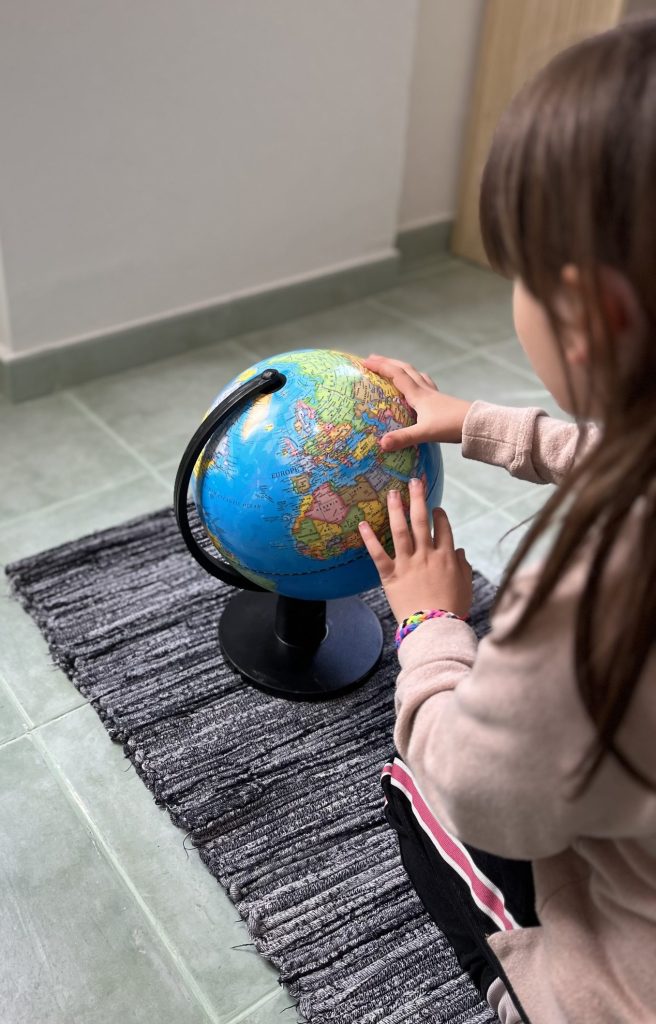
Adolescencia
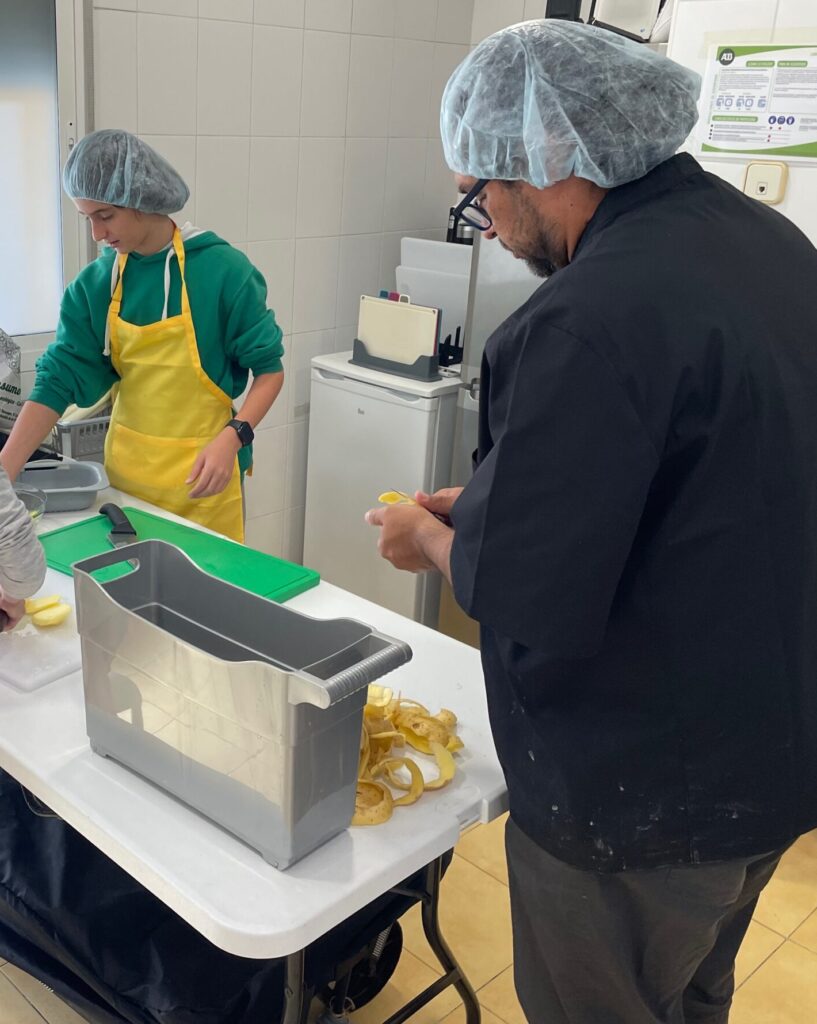
In Montessori philosophy, adolescence is seen as a time of profound transformation, both physically and mentally. Adolescents undergo rapid changes in their bodies, emotions, and social identities, making this period one of heightened sensitivity and self- discovery. The need for independence, exploration, and belonging are paramount during these years. Montessori believed that adolescence is a pivotal stage for developing critical thinking, personal responsibility, and social awareness. The qualities of curiosity, a search for meaning, and the desire for real-world experiences shape the educational experiences that should be offered at this stage.
 English
  Spanish